

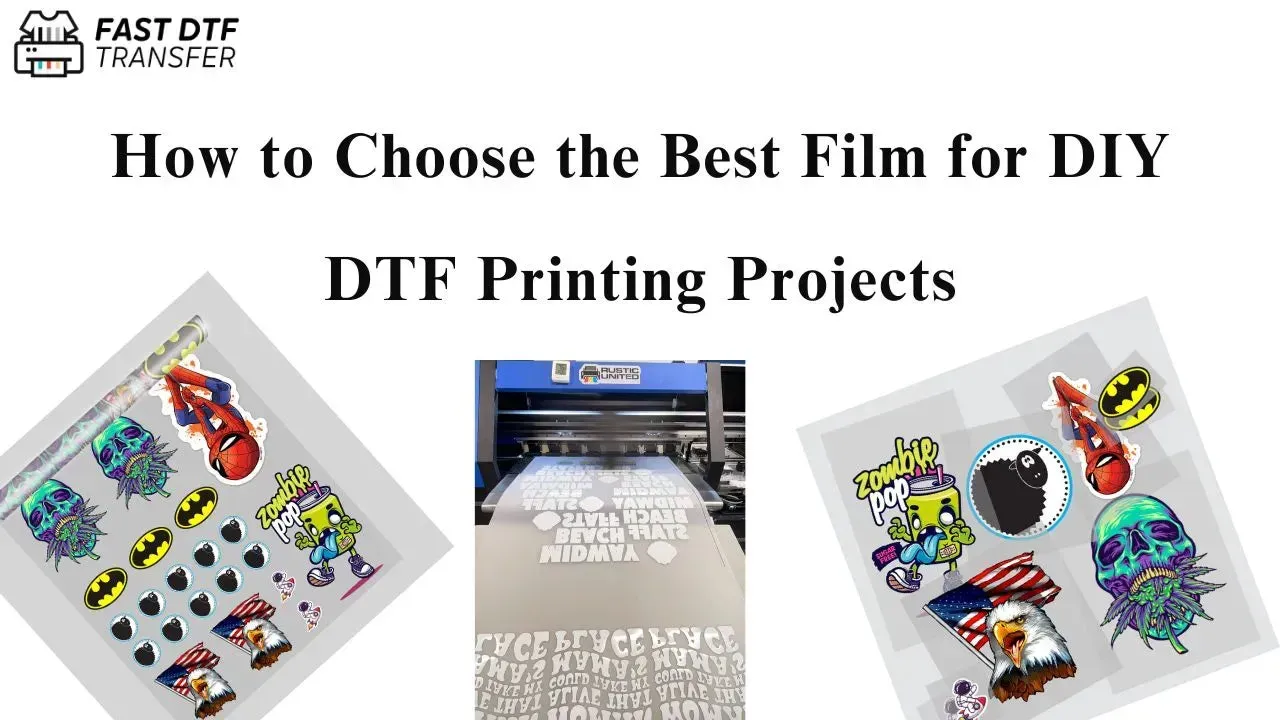
DIY DTF Printing has emerged as a practical gateway for designers, hobbyists, and small business owners to create high-quality custom garments from home, offering flexibility and control over every step from initial concept to final, long-lasting transfer. Direct-to-Film printing involves printing onto a transfer film, applying an adhesive powder, curing, and then transferring the image to fabrics with a heat press for durable, vibrant results that maintain a soft hand and wash-fast longevity across cotton, blends, and even some polyesters. For beginners, understanding the steps, choosing the right equipment, and practicing color management saves time and money while delivering professional results as you experiment with different fabrics, inks, and film types, documenting settings to scale up confidently. This introductory overview also highlights practical aspects such as DTF printing at home options, DTF transfers for beginners, careful DTF printer setup, actionable DTF heat press tips, and a clear comparison of DTF vs sublimation to help you choose the best fit. As you experiment, you’ll refine your process, achieve consistent color and texture, and discover how a home project can evolve into a small, flexible production that serves as a reliable revenue stream or personal branding asset.
Viewed through an alternative lens, the technique can be described as home-based direct-to-film production, where artwork is prepared digitally and transferred onto fabric via a heat-assisted process. Using terms such as film-to-fabric transfer technology or digital textile transfers helps connect the concept to workflow, substrate compatibility, ink layering, and curing considerations without relying on a single phrase. LSI-friendly messaging can link the topic to color management, repeatability, and cost-conscious experimentation, supporting readers who want practical guidance without brand-specific jargon. Framing the craft as a versatile home activity for prototypes, small runs, or custom orders helps readers connect with their goals and search intent.
DIY DTF Printing at Home: Essentials for a Confident Start
Starting a DIY DTF printing journey at home begins with building a simple, reliable workflow. Focus on a solid setup that includes a DTF printer or a compatible inkjet with white ink capability, DTF transfer film, adhesive powder, a dependable heat press, and a clean workspace. Framing your project around DTF printing at home will help you scale from experiments to small runs while keeping costs predictable.
Before you print, define your test garments and color expectations. Practice with basic designs on cotton and cotton blends to understand how your chosen film and powder interact with different fabrics. This is the moment to learn how color management, print speed, and garment color impact your results, which is essential for DTF transfers for beginners.
DTF Printer Setup and Calibration for Beginners
DTF Printer Setup and Calibration for Beginners: Start by choosing a printer that supports white ink or a compatible DTF ink system. Install the appropriate driver, verify color profiles, and configure the RIP or printer software to handle white layers. A proper DTF printer setup reduces misalignment and ensures consistent results across runs.
Next, run nozzle checks, print quality tests, and ensure film tension is steady in the feed path. Calibrating color channels and print density helps achieve reproducible color and opacity. Keep a log of settings for different fabrics so you can reproduce the same results in future projects.
DTF Transfers for Beginners: From Design to Durable Garments
DTF Transfers for Beginners: From Design to Durable Garments: Begin with clear, high resolution artwork and plan how white ink will act as the base on darker fabrics. When you separate colors, think about opacity, layering order, and how the film will read after curing. The goal is vibrant, lasting transfers that feel soft on the wearer’s skin.
Choose substrates thoughtfully; test on cotton, poly blends, and even some synthetics. Keep test swatches of each fabric to observe how contrast, white base strength, and color saturation hold up after transfer. By watching these details, beginners can build confidence in predicting outcomes before committing to larger runs.
DTF Heat Press Tips: Mastering Temperature, Time, and Pressure
DTF Heat Press Tips: Mastering Temperature, Time, and Pressure: Start with mid-range settings around 150–160 C and a brief dwell time; adjust for your film and fabric as you gain experience. Apply medium pressure and use even heat distribution to avoid scorching while achieving a clean bond between film and fabric. These DTF heat press tips help you build consistency.
Pre-press the garment to remove moisture and create a smooth surface, then apply the transfer with the printed side down. Consider a post-press peel strategy and verify whether the film requires a warm or cold peel. Document your results so you can iteratively refine your process for different fabrics and designs.
Troubleshooting and Maintenance in a Home DTF Studio
Troubleshooting and Maintenance in a Home DTF Studio: When things go wrong, take a systematic approach. White layers failing to print can signal ink flow or channel order issues, while powder adhesion problems often point to curing temperature or application technique. By diagnosing problems step by step, you can minimize wasted film and time.
Develop a simple maintenance routine: clean print heads, check for clogged nozzles, inspect rollers, and store powders and films in a cool, dry place. A regular checklist reduces downtime and helps you sustain consistent transfers across batches in your home workshop.
DTF Printing at Home vs Sublimation: Choosing the Right Path for Your Projects
DTF Printing at Home vs Sublimation: Choosing the Right Path for Your Projects: Both methods have strengths, so pick based on substrate, color range, and desired feel. DTF typically offers broader fabric compatibility and richer color layering on dark garments, while sublimation excels on polymer-coated textiles and bright, all-over prints on light-colored fabrics. This comparison helps you decide which process aligns with your product goals.
Consider factors like setup cost, running costs, and time to completion. For small runs with varied fabrics, DTF can be more flexible; for large runs on compatible fabrics, sublimation might be more cost-efficient. Knowing these tradeoffs empowers you to plan a realistic workflow and ROI for your home-based projects.
Frequently Asked Questions
What is DIY DTF Printing and can I start with DTF printing at home?
DIY DTF Printing is a home-based method that prints designs onto a transfer film with white ink, applies adhesive powder, and uses a heat press to move the image to fabric. You can start with DTF printing at home by choosing a compatible printer, film, adhesive, and heat press, then running small test projects to learn color management and adhesion. Focus on beginner-friendly fabrics and simple designs to build confidence in DIY DTF Printing.
What does a basic DTF printer setup look like for DIY DTF Printing?
A basic DTF printer setup includes a printer capable of white ink, DTF inks, transfer film, curing equipment, a heat press, and design software. Install the DTF ink system, enable the white ink channel, print test swatches, and calibrate color, density, and drying times. Start with a simple design to confirm that the white base and color layers align before expanding to multi-color jobs in DIY DTF Printing.
Why are DTF transfers for beginners a good entry point for DIY DTF Printing?
DTF transfers for beginners are forgiving and scalable—start with simple designs on light and dark fabrics to learn layering, curing, and transfer timing. This approach helps you understand how white ink, film, and adhesive interact, while keeping costs manageable as you gain experience with DIY DTF Printing.
What are essential DTF heat press tips for DIY DTF Printing?
Key DTF heat press tips include testing temperature and dwell time around 150-160°C for 10-15 seconds with medium pressure, pre-press to remove moisture, and use a protective sheet to prevent ghosting. Follow your film and adhesive manufacturer guidelines, apply uniform pressure, and perform post-press tests for durability in DIY DTF Printing.
How does DIY DTF Printing compare to DTF vs sublimation for home projects?
DTF vs sublimation differences matter for substrate compatibility and color outcomes. DTF offers broader fabric compatibility and prints on dark garments with a soft hand, while sublimation works best on polymer-coated or light-colored textiles. Choose DIY DTF Printing when you need versatile fabrics or quick color-rich runs; sublimation can be more cost-effective for white/light fabrics.
What are common issues in DIY DTF Printing and how can I troubleshoot them at home?
Common issues include a weak or missing white layer, powder not adhering, color shifts, and misalignment. Troubleshoot by checking white ink levels and channels, ensuring even powder application and proper curing, recalibrating the printer and media guides, and testing on swatches to refine heat and pressure settings for DIY DTF Printing.
| Section | Key Points |
|---|---|
| What is DIY DTF Printing? | – Direct-to-Film (DTF) is a multi-step process: print designs onto a film with white ink, apply adhesive powder, cure, then transfer to fabrics using a heat press. – Benefits include flexibility for small runs, strong color reproduction, and a soft, matte feel. DTF offers broader substrate compatibility than sublimation. |
| Why start at home? | – Hands-on control of the workflow and rapid iteration. – Lower per-unit costs for small runs and custom work. – Opportunity to test colors, textures, and fabrics without a shop setup. |
| Essential Equipment & Materials | – DTF printer or inkjet setup with white ink capability – DTF transfer film and printing film – White ink/base ink – DTF adhesive powder – Curing/drying equipment (hot air dryer, heat gun, etc.) – Heat press – Garments (cotton and blends) – Design software and color management tools – Cleaning/maintenance items (isopropyl alcohol, lint-free cloths, gloves) |
| Step-by-Step Process | 1) Design and prepare artwork with high resolution. 2) Print onto DTF film (usually CMYK + white layer, order may vary). 3) Apply adhesive powder while film is tacky; cure. 4) Prepare the garment and place film on fabric. 5) Transfer with heat/pressure (typical ~150–160°C for 10–15s, adjust as needed). 6) Peel and finish (warm/cold peel as required). |
| Design & Color Management | – Plan high-contrast designs; white ink base improves opacity on dark fabrics. – Do soft proofing with test prints on similar fabric. – Calibrate printer settings (density, speed, line thickness) and consider garment color and fabric type. |
| Troubleshooting | – White layer prints weak: check white ink levels and channel activation; follow correct print order. – Powder not adhering: verify cure temp/time and even application. – Color shifts/misalignment: recalibrate feeder, film tension; use alignment guides. – Film curling or sticking: use a flat platen and proper garment flatness. – Poor adhesion on fabrics: adjust heat time/pressure and test on swatches. |
| Safety & Maintenance | – Work in a ventilated area and wear gloves when handling inks/powders. – Store films and powders properly. – Regularly clean print heads, inspect rollers, and replace worn parts. |
| Cost & ROI | – Upfront investment in printer, heat press, and consumables. – Per-transfer cost remains affordable for small runs; compare with screen printing or sublimation. – Start with small batches to optimize the process before scaling. |
| Next Steps | – Run a focused pilot project (a few designs on common garments). – Create a workflow map documenting settings for different fabrics. – Engage with the DIY DTF community to share tips and troubleshoot. |
Summary
Conclusion