

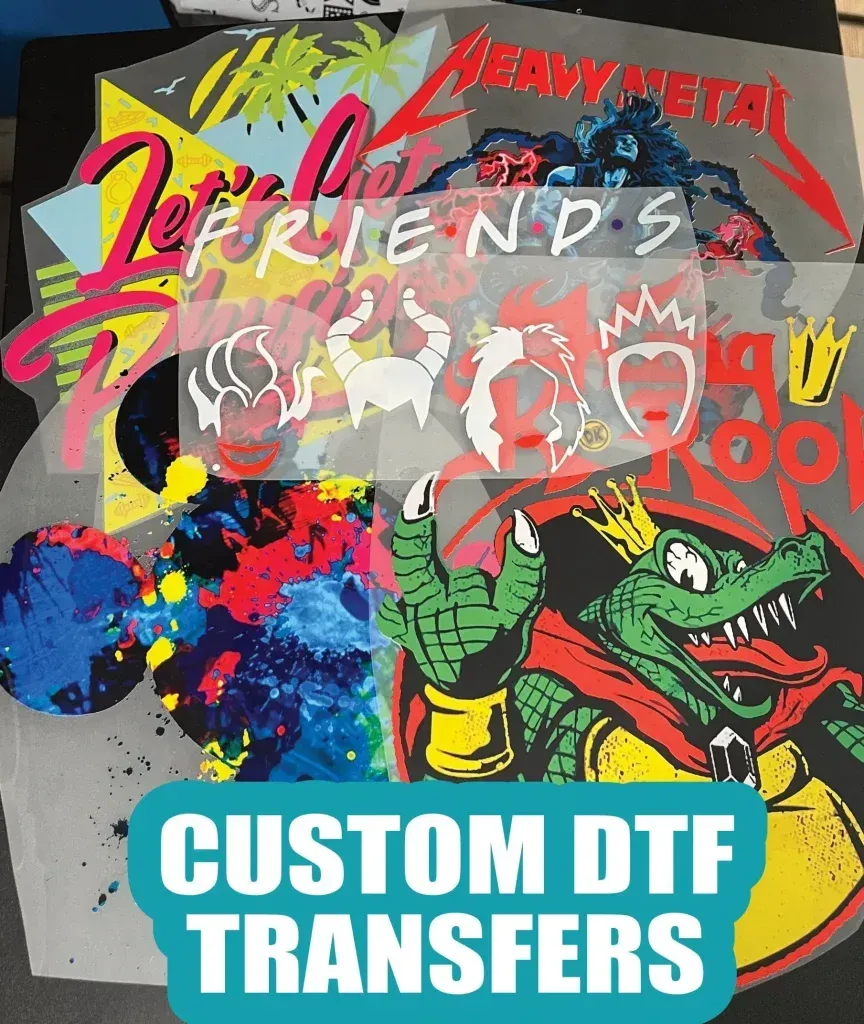
DTF transfer tutorial guides you from a compact home setup to a reliable, high-quality garment workflow. It breaks down DTF printing steps so newcomers can grasp the sequence from design to production. You’ll learn the DTF transfer process in practical terms, with tips to avoid common misprints. The guide also lists essential DTF supplies and how to organize home-based print shop equipment for efficient work. Finally, it explains how direct-to-film printing fits into a flexible business model and what you can expect on day one.
Viewed through an at-home lens, the same topic becomes a practical, film-based transfer workflow for decorating apparel. Framing the topic with LSI principles, this overview uses alternative terms such as film-based transfer method, heat-press finishing, and color reproduction to connect related ideas. This terminology shift helps you align DTF supplies and home-based print shop equipment with everyday tasks, making the method more accessible. By focusing on outcomes—color fidelity, durable finishes, and efficient workflow—you can adopt the approach in your own space.
DTF transfer tutorial: Home-Based Print Shop Step-by-Step
The DTF transfer tutorial presented here is designed for makers starting a small, home-based print operation and seeking reliable, repeatable results. It centers on the full lifecycle of a transfer—from design through final finish—emphasizing practical steps that align with the realities of a garage, spare room, or compact studio. By framing the process around DTF printing steps, you can build a workflow that scales as orders grow while keeping waste and misprints to a minimum. This approach also highlights the importance of choosing the right home-based print shop equipment and DTF supplies to maintain consistency in color, texture, and adhesion.
With a disciplined routine, your DTF transfer tutorial can translate into tangible results: crisp lines, vibrant colors, and durable finishes across a range of fabrics. Expect guidance on setting up a clean, organized workspace, calibrating ink densities, and aligning the film for accurate transfers. The goal is to create a repeatable method that you can reproduce for a steady stream of jobs, rather than a one-off trick that works only in ideal conditions.
Understanding the DTF transfer process for home-based shops
Understanding the DTF transfer process is essential for home-based shops that want dependable outcomes without the overhead of large production spaces. Direct-to-film printing describes the method of applying designs to a special film, which is then heat-transferred to garments. In this context, the DTF transfer process benefits from flexible fabrics, simpler pre-treatment, and lower upfront costs compared with other methods, making it appealing for small operations.
This section emphasizes how the transfer workflow translates into practical daily work: designing with color fidelity in mind, printing on film with reliable RIP software, applying adhesive powder, curing, and then pressing the design onto garments. By examining each stage through the lens of a home-based setup, you’ll prioritize stability, repeatability, and predictable turnaround times—critical factors for delivering consistent results with direct-to-film printing.
DTF supplies and home-based print shop equipment: essential gear explained
Every home-based print shop depends on a core set of DTF supplies and equipment that balance cost, reliability, and performance. From the printer and RIP software to DTF film, adhesive powder, and a properly calibrated heat press, these components form the backbone of a successful operation. Understanding the role of each item helps you assemble a workflow that minimizes waste, reduces rework, and improves color accuracy across jobs.
Budget-conscious shops can start with essential items and expand as demand grows. Prioritize a dependable printer, high-quality DTF film, and a controlled curing environment, then layer in additional heat presses, curing options, and upgraded powders as needed. This pragmatic approach aligns with the realities of home-based print shop equipment while supporting scalable growth and consistent output.
DTF printing steps: design to finish
DTF printing steps begin with thoughtful design and precise color management. Creating or selecting a design that matches the intended garment size, then using RIP software to generate a print-friendly profile, can produce reliable color reproduction. Printing on the DTF film requires calibrated settings and careful test prints to confirm color accuracy, alignment, and ink density before committing to full runs.
Following printing, the process moves to powder application, curing, and garment preparation. By adhering to recommended temperatures and dwell times, you ensure that the adhesive powder activates correctly without compromising the image. A clean, well-lit workspace with consistent airflow and properly positioned garments helps you achieve edge definition, durability, and a smooth transfer across different fabrics.
Troubleshooting and quality control in DTF projects
Even with a solid workflow, issues can arise in DTF projects. Common problems like white spots, dull colors, adhesion failures, or ghosting can often be traced back to uneven powder coverage, dry ink on the film, or misalignment during heat transfer. By keeping a careful log of DTF supplies used, printer settings, and film batches, you can diagnose problems quickly and implement corrective steps to restore quality.
A proactive quality-control approach helps you maintain consistency across runs. Implement simple SOPs, run calibration tests on representative fabrics, and document results for future reference. Regular maintenance of home-based print shop equipment—head cleaning, film cleaning, and heat-press calibration—supports reliable performance and minimizes repeat issues, ensuring smoother production and happier customers.
Optimizing space, cost, and workflow for direct-to-film printing
Optimizing space and workflow is essential for a productive home-based printing operation using direct-to-film printing. Designate zones for printing, powdering, curing, and finishing to reduce cross-contamination and streamline movement. Practical space planning helps you maximize throughput within a limited footprint while keeping dust and debris under control, which in turn protects the quality of DTF supplies and the final transfers.
Cost efficiency comes from smart purchasing and scalable systems. Start with core equipment and film that deliver reliable results, then expand with additional sizes, curing options, and higher-capacity processes as orders grow. Batch processing similar designs to minimize re-profiling and setup time, and maintain a clean, organized workspace to support efficient production and sustainable long-term growth in your home-based print shop.
Frequently Asked Questions
What is a DTF transfer tutorial and why is it valuable for home-based print shops?
A DTF transfer tutorial is a step-by-step guide that covers the full direct-to-film transfer workflow, from design to finish. It helps home-based print shops achieve consistent results by detailing the DTF printing steps, the DTF transfer process, equipment setup, and practical tips.
What essential DTF supplies should I have when following a DTF transfer tutorial?
Core DTF supplies include DTF film, adhesive powder, a reliable heat press, a compatible printer with RIP software, DTF inks, and routine maintenance items. The tutorial guides you to choose quality supplies and organize your DTF workflow to minimize waste and misprints.
What are the main DTF printing steps in a typical DTF transfer tutorial workflow?
Common DTF printing steps in a typical DTF transfer tutorial workflow are design, print on the DTF film with RIP profiles, powder application and curing, garment pre-press, transfer with heat and pressure, and final peel and finish. Following these DTF printing steps helps ensure color accuracy and durable results.
How does home-based print shop equipment support the DTF transfer process described in the tutorial?
A practical setup includes a suitable printer with accurate color control, a heat press with even temperature, a dedicated curing area, film and powder handling tools, and clean workspace. This home-based print shop equipment supports the DTF transfer process by promoting consistency and efficiency.
What common issues does a DTF transfer tutorial help troubleshoot, and how should I address them?
Typical issues include white spots, dull colors, ghosting, and poor adhesion. The tutorial helps troubleshoot as part of the DTF transfer process by guiding you to verify powder coverage, print density with correct color profiles, ensure film is dry, and tune heat, time, and pressure for your substrate.
How can I optimize space and workflow for direct-to-film printing in a small shop using a DTF transfer tutorial?
Plan zones for printing, powdering, curing, and finishing to reduce cross-contamination. Batch similar jobs, invest gradually in home-based print shop equipment, and maintain good ventilation and safety to keep the workflow efficient for direct-to-film printing.
| Aspect | Key Points |
|---|---|
| Focus keyword | DTF transfer tutorial (focus keyword) |
| Related keywords | DTF printing steps; DTF transfer process; DTF supplies; home-based print shop equipment; direct-to-film printing |
| Post title | DTF transfer tutorial: Home-Based print shop step-by-step |
| Meta description | DTF transfer tutorial for home-based print shops covers DTF printing steps, essential equipment, inks, powders, supplies, and troubleshooting tips for success. |
| Core topics / Workflow | Overview of DTF and its home-based relevance; step-by-step process from design to finish; essential equipment and supplies; troubleshooting; QA; space, cost, and workflow optimization; DTF printing variations. |
| Essential equipment & supplies | Printer + RIP software; DTF film & adhesive powder; powder shaker & curing space; heat press; DTF inks & additives; cleaning/maintenance supplies; PPE & workspace setup. |
| Step-by-step process overview | 1) Design & print 2) Powder application 3) Curing 4) Garment prep 5) Transfer with heat/pressure 6) Peel & finish |
| Troubleshooting & QA | Common issues: white spots, dull colors, adhesion problems, film tearing, ghosting. Fixes: re-check powder coverage, calibrate color profiles, ensure ink is dry, maintain film integrity, proper curing and pre-press. |
| Optimization considerations | Space planning, budget strategy, batching work, ventilation and safety, standardized SOPs, ongoing maintenance and calibration. |
| Direct-to-film printing options | Film type, powder grade, ink compatibility, maintenance frequency. |